
Winter and Introspection
Winter and Introspection: Waiting According to Dino Buzzati
In winter, the vineyard simply waits to live again.
January invites everyone to silence and listening. The vineyard, too—just pruned—appears bare, almost fragile. And yet, beneath that still surface lies a tenacious strength: the ability to endure, to wait, to prepare with resilience for the return of life.
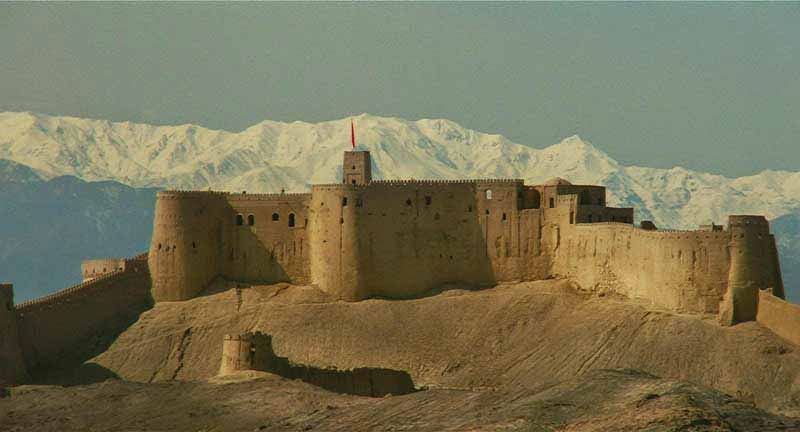
It is difficult not to recognize in this image the atmosphere of The Tartar Steppe by Dino Buzzati. Like the novel’s protagonist, the vineyard seems to exist in a space outside of time, in a waiting that is not inertia, but preparation. Nothing happens on the surface, yet everything is slowly built, day after day, in the invisible depth of the roots.
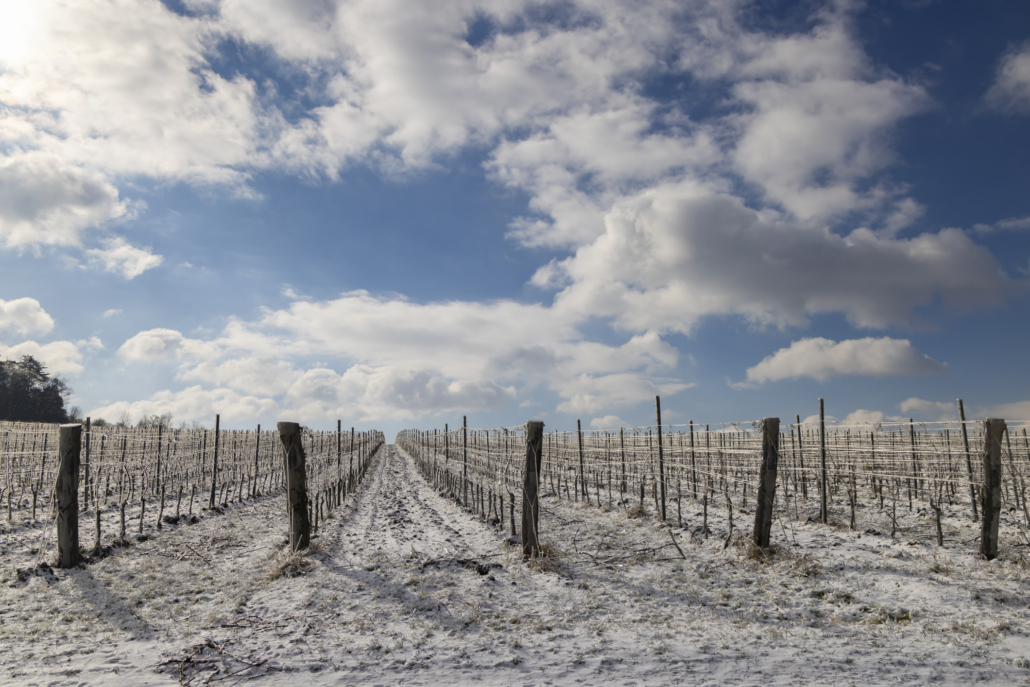
Pruning marks an apparent renunciation: cut canes, selected buds, a reduction that is not loss but choice. Just as in Buzzati’s novel deprivation an
d waiting become an integral part of existence, in the vineyard suspended time is the necessary condition for vigorous rebirth.
In this season of introspection, wine too takes on a different role. It does not accompany celebration, but thought. It becomes a discreet companion to slow readings, to quiet evenings, to reflections that seek
noimmediate answers. An allegory that brings to mind the story of Lieutenant Giovanni Drogo at the Bastiani Fortress, an outpost overlooking the desolate plain known as the “Tartar steppe,” once
marked by violent enemy incursions. Despite his initial distrust, he gradually falls under the spell of the vast, immutable desert landscapes, becoming completely captivated by the stories that had made the Fortress famous, until his perception of reality itself begins to shift. In waiting for the “great occasion,” the life of the entire garrison slowly fades away, as months and years pass almost unnoticed. Drogo ultimately spends his whole life within the Fortress, carrying in his mind and heart an irrepressible expectation of an imminent enemy attack—while around him there is only stillness. An endless waiting, where time itself seems to have stopped.
Thus, January reminds us that energy is not always visible. At times it is hidden, dormant—like the pruned vine awaiting spring. And it is precisely in this conscious waiting that, year after year, the promise of a new rebirth is prepared.
This post is also available in: Italian




Leave a Reply
Want to join the discussion?Feel free to contribute!