
The Medieval Landscape of Palaia
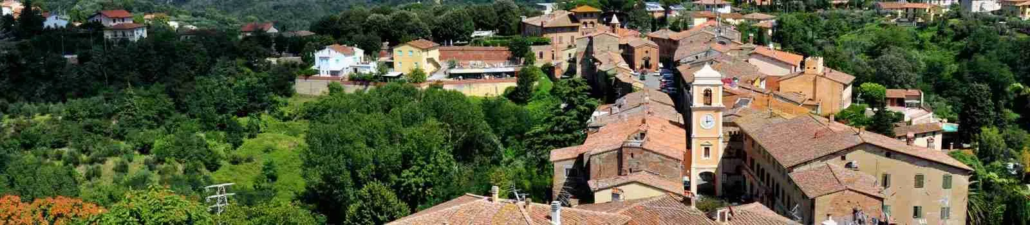
Parish Churches and Vineyards: The Medieval Landscape of Palaia
A landscape shaped over time
Walking through the vineyards of Usiglian del Vescovo means crossing a landscape that is not “natural” in the purest sense, but one that has been deeply shaped by human activity.
The current agricultural structure derives from a medieval system composed of parish churches, farmsteads, and rural castles—an organization that responded not only to productive needs but also to territorial control.
Even today, the fragmentation of the vineyards and their distribution across the hills tell this story.
The soil: an ancient sea beneath our feet
From a geological perspective, the most fascinating aspect is that these vineyards rest on an ancient Pliocene seabed.
This means:
- a high presence of sand
- widespread fossil and shell deposits
- excellent drainage capacity
From an agronomic point of view, this is a complex soil that retains little surface water, forcing the vine to root deeply and creating conditions of controlled stress, where pruning and winter dormancy play a crucial role.
It is precisely this stress that contributes to wine quality, limiting vegetative vigor and concentrating compounds in the grapes (viniterredipisa.com).
Fragility and balance
A sandy soil is inherently unstable. Landslides are not anomalies, but rather the system’s response to hydrological or structural imbalance.
In this context, viticulture plays a key role. Plant roots help consolidate the soil, while biodiversity improves water management by reducing erosion and increasing soil stability.
Growing vines here does not simply mean producing wine—it means maintaining the balance of a fragile system.
Usiglian del Vescovo has a deep connection with its land and a strong commitment to preserving the biological balance that keeps it alive.
This post is also available in: Italian




Leave a Reply
Want to join the discussion?Feel free to contribute!